Dehradun is becoming more than a city known for its peaceful surroundings and pleasant climate. With new residential projects, improving infrastructure, and changing buyer expectations, the city’s housing market is entering a new phase.
Dehradun’s residential landscape is moving beyond the traditional idea of simply adding more homes. New developments are changing the relationship between the home, its surroundings, connectivity, and everyday life — and that’s influencing how buyers assess property in Dehradun today.
1. From Individual Properties to Planned Residential Environments
There’s a meaningful difference between buying an individual property and buying into a planned residential development. An independent plot or standalone house is judged largely on its own merits — the structure, the land, the immediate surroundings. A planned development is judged on something larger: how the whole project is organised.
That organisation shapes daily life more than buyers often expect going in. It decides how vehicles and people move through the project, how much genuine privacy each home retains despite shared walls and common areas, how open space is distributed rather than swallowed by construction, how parking is planned instead of improvised, and how landscaping and community areas are designed to actually be used.
This is why buyers evaluating Residential Projects in Dehradun are increasingly looking past the unit itself and paying closer attention to the development as a whole. The layout, density, and planning quality of the project have become part of the buying decision — not a background detail.
2. The Meaning of “Location” Has Become More Practical
A location isn’t simply a point on a map. In practice, it’s the time and effort it takes to reach the places that matter — work, school, a hospital, a grocery store, a pharmacy at an inconvenient hour.
This is a more useful way to evaluate Property in Dehradun than simply naming a locality. Two projects at a similar distance from the city centre can offer very different day-to-day experiences depending on road quality, traffic patterns, and how close essential services genuinely are — not as the crow flies, but along the route a resident would actually take.
Improving regional connectivity, including the Delhi–Dehradun Expressway, is expanding where buyers are willing to consider living. That’s created real choice across corridors like Haridwar Road, Sahastradhara Road, and Mohkampur — areas that increasingly balance accessibility with a more spacious, residential character than the older, denser parts of the city.
3. What Happens Outside the Front Door Matters as Much as the Home Itself
This is where the evaluation of a home starts to differ from a simple features checklist. The entrance to a project, the internal streets, the landscaping, and the common areas all shape how a development actually feels to live in.
It helps to think of it as a sequence: home → entrance and internal roads → common areas → the development as a whole → the surrounding neighbourhood. Each layer affects the everyday experience, even though only the first one shows up on a floor plan.
A well-designed home doesn’t exist in isolation. A comfortable, well-lit apartment can still feel disappointing if the approach to it is poorly maintained, or if the common areas around it are an afterthought. This is one reason Residential Property in Dehradun buyers are spending more time walking a project’s common areas before deciding, rather than judging it from the sample flat alone.
4. “More Space” Is Giving Way to “Better-Used Space”
Square footage alone doesn’t explain how comfortable or functional a home will actually be. A larger unit with poor proportions, weak ventilation, and awkward movement between rooms can feel smaller in daily use than a compact, well-planned one.
Buyers are increasingly examining room proportions, natural light, ventilation, storage, privacy between spaces, balcony and outdoor areas, and how easily people can move through the home rather than around obstacles in it.
This has introduced a useful distinction between advertised space — the number printed on a brochure — and usable space — what a family can actually live in comfortably. Configuration still matters, of course; a 2 BHK Flat in Dehradun and a 3 BHK Flat in Dehradun serve different life stages. But within any given configuration, how that space is laid out is increasingly the deciding factor between two otherwise similar options.
5. The Outdoor Environment Is Becoming Part of the Residential Experience
Dehradun’s natural setting makes the relationship between built space and open space particularly relevant here, more than in most cities. Thoughtful residential planning can integrate genuine green areas, walking spaces, dedicated outdoor areas for children, landscaping that’s more than decorative, and a sense of visual openness rather than density for its own sake.
Buyers are learning to look past the word “landscaping” on a brochure and ask about the actual amount and quality of open space a project offers — how much of it is genuinely accessible to residents, and how much is ornamental space around a driveway.
6. The Amenity List Is No Longer Enough
Residential marketing often leans heavily on the number of amenities a project offers. But a longer list doesn’t automatically mean a better living experience. The more useful question buyers are learning to ask is simpler: does this facility actually improve everyday life?
That depends on purpose, accessibility, usability, and — perhaps most importantly — ongoing maintenance. A clubhouse that’s rarely open, or a walking track that’s poorly lit, adds little real value regardless of how it reads in a sales brochure. A smaller set of well-maintained, genuinely used facilities is usually worth more than a long list of underused ones.
7. What Buyers Can’t See Is Becoming More Important
Finishes and façades create the first impression, but long-term ownership depends on what lies underneath them. Materials, structural systems, waterproofing, plumbing, electrical infrastructure, ventilation planning, and quality control during construction all matter far more once a family has actually moved in than they do on the day of the site visit.
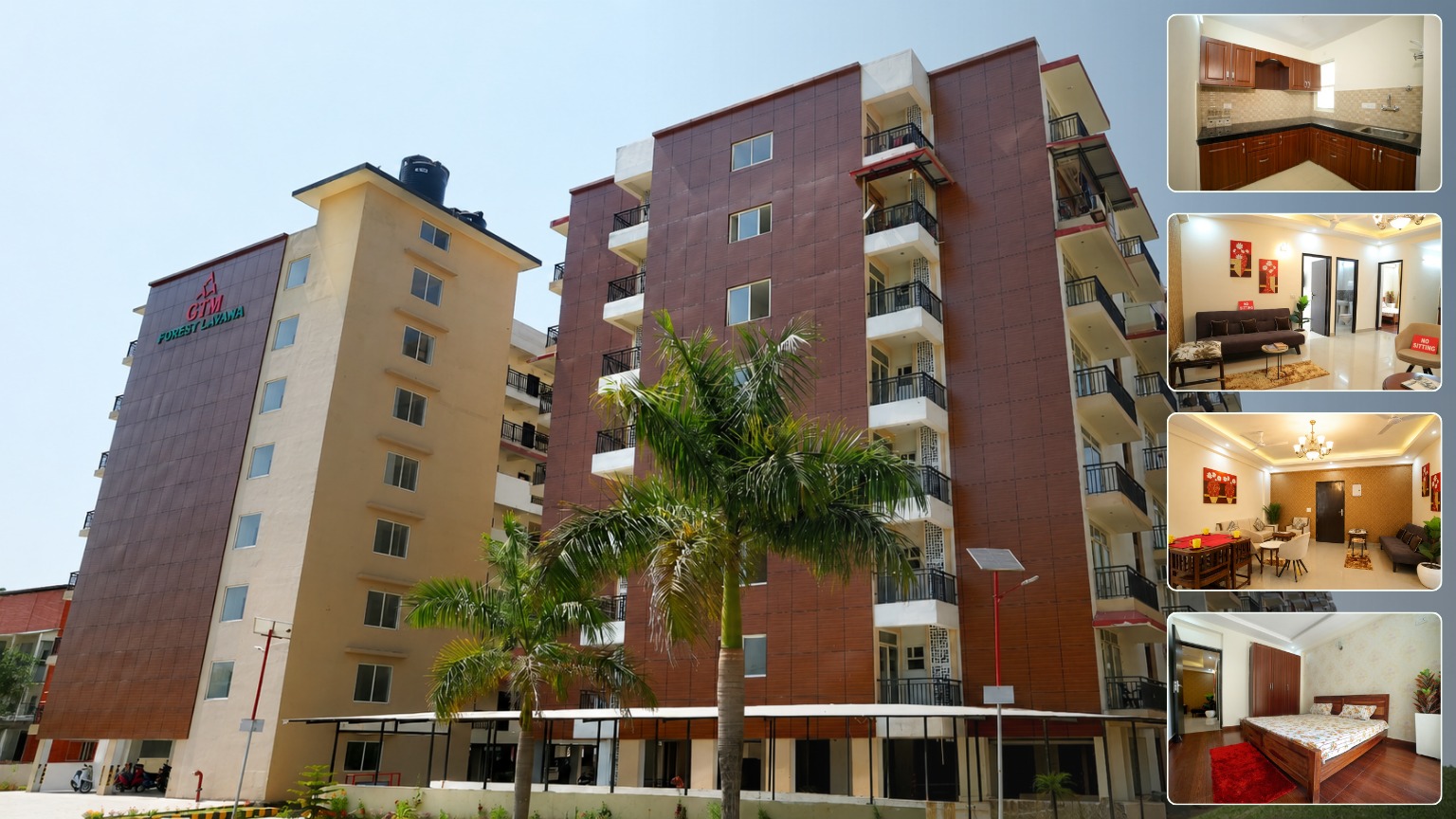
Increasingly informed buyers are asking more detailed questions about construction rather than relying entirely on appearance — and increasingly, builders are expected to have straightforward answers. At GTM Builders, this is part of why projects like GTM Forest Lavana and GTM The Capital are built with an emphasis on delivering ready and near-ready homes: it gives buyers the chance to inspect actual construction quality rather than relying on renders and promises alone.
8. The Buying Journey Is Moving From Site Visits to Research
Digital information has changed how buyers research a property, often well before they ever visit a site. A buyer today can look into a developer’s history, review previous projects delivered, check approvals and RERA information where applicable, track construction progress, compare specifications, and read reviews or public discussion about a project.
This has made transparency part of a buyer’s overall perception of a development. A developer that makes this information easy to find and verify tends to be viewed more favourably than one that requires a site visit just to get basic answers — which is increasingly relevant for anyone evaluating Real Estate Builders in Dehradun before shortlisting a project.
9. Buyers Are Beginning to Think About Life After Possession
The purchase decision doesn’t end when the keys are handed over. Buyers are increasingly thinking about maintenance quality over the years, daily convenience, how the home will work as a family ages within it, changing family needs, accessibility, the community environment, and how the surrounding infrastructure is likely to develop.
This introduces a longer-term way of evaluating a home — one based on livability over years, not just first impressions on the day of purchase. It’s part of why Ready to Move-In Projects in Dehradun hold particular appeal for end-users: buyers can assess exactly what post-possession life will look like, rather than estimating it from a plan.
10. There Is No Longer One Definition of the “Ideal Home”
Different households evaluate the same development quite differently. A young professional may prioritise accessibility and day-to-day convenience. A family may place greater weight on space, safety, and nearby schools. Someone planning for long-term ownership may focus more heavily on construction quality, maintenance systems, and how usable the home will remain over time.
This means residential development increasingly needs to accommodate different ways of living, rather than assuming every buyer shares identical priorities — which is exactly why Dehradun’s market now spans everything from compact 1 BHK Flats in Dehradun to spacious 4 BHK homes, and from affordable apartments to premium societies, often within the same builder’s portfolio.
11. What Changing Buyer Expectations Mean for Developers
The changing buyer is pushing residential development toward a more holistic approach. Developers now have to think about how people move through a project, how they actually use the spaces provided, how homes connect with open areas, how amenities genuinely serve residents rather than just a sales brochure, how construction quality is maintained beyond the finishing coat, and how clearly information is communicated to buyers before they commit.
In practice, this means a developer’s role increasingly extends beyond constructing individual units to creating coherent residential environments — a shift we’ve tried to reflect in how GTM Builders approaches projects across Haridwar Road, Sahastradhara Road, and Mohkampur, from planning through to post-possession maintenance.
Conclusion: A Home Is Becoming More Than a Property
Dehradun’s residential transformation isn’t simply changing its skyline. It’s changing the criteria people use to decide where they want to live. Buyers are increasingly looking at the relationship between the home, the development, the neighbourhood, and their everyday lives — not evaluating any one of these in isolation.
As Dehradun continues to evolve, the homes that stand out may not simply be the ones that offer more space or more features, but the ones that make everyday living feel genuinely well considered.