
Buying your first home is an exciting milestone, but it also comes with important financial and legal responsibilities. From choosing the right location to arranging a home loan and verifying property documents, every step requires careful planning.
For first-time buyers exploring Ready to Move Flats in Dehradun, completed homes offer an opportunity to inspect the actual property before making a purchase. You can evaluate the layout, construction quality, neighborhood, and available amenities instead of relying only on floor plans or project brochures.
However, buying a home involves more than finding an apartment you like. You also need to understand the complete cost, verify legal approvals, and ensure the property suits your long-term needs.
This step-by-step guide will help you navigate the home-buying process with greater confidence.
Step 1: Set Your Home-Buying Budget
Before searching for properties, determine how much you can comfortably afford. Your budget should account for both the purchase price and the additional expenses associated with owning a home.
Consider the following costs:
- Property purchase price.
- Down payment and home-loan expenses.
- Stamp duty and registration charges.
- Legal verification and brokerage fees, where applicable.
- Maintenance deposits and recurring society charges.
- Interior work, furniture, and appliances.
- Moving expenses and initial repairs.
For example, if you have saved money for a down payment, avoid using all your savings for the purchase. Keep an emergency fund for unexpected expenses and future financial commitments.
Step 2: Choose the Right Location in Dehradun
Location can influence your daily convenience, commuting time, lifestyle, and a property’s future resale or rental potential. When exploring Ready to Move Flats in Dehradun, shortlist neighborhoods based on your actual requirements rather than choosing an area solely because it is popular.
Evaluate these factors:
- Connectivity: Check access to major roads, public transport, and your workplace or educational institution.
- Essential services: Consider nearby hospitals, schools, supermarkets, pharmacies, and other everyday facilities.
- Infrastructure: Assess road conditions, drainage, water supply, electricity, and waste management.
- Neighbourhood environment: Visit the locality at different times to understand traffic, noise, parking, and general surroundings.
- Long-term suitability: Consider whether the location will remain convenient if your family or professional needs change.
If you are relocating from another city, spend time exploring the neighbourhood before making your final decision. A property may look attractive online but feel very different during an actual visit.
Step 3: Shortlist Suitable Ready-to-Move Flats
Once you have established your budget and preferred locations, start comparing available properties. Do not select a flat based on photographs alone. Look at the practical features that affect everyday living.
| Factor | What to evaluate |
| Apartment size | Whether the usable space meets your requirements |
| Layout | Room arrangement, storage, and furniture placement |
| Natural light | Daylight and ventilation |
| Construction quality | Flooring, fittings, walls, and visible defects |
| Amenities | Which facilities are available and operational |
| Parking | Availability and documented allocation |
| Maintenance | Monthly charges and management arrangements |
| Total cost | Purchase price plus additional expenses |
Create a shortlist of properties that meet your essential requirements. Comparing several options can help you understand the market and identify which features justify the asking price.
Step 4: Visit the Property in Person
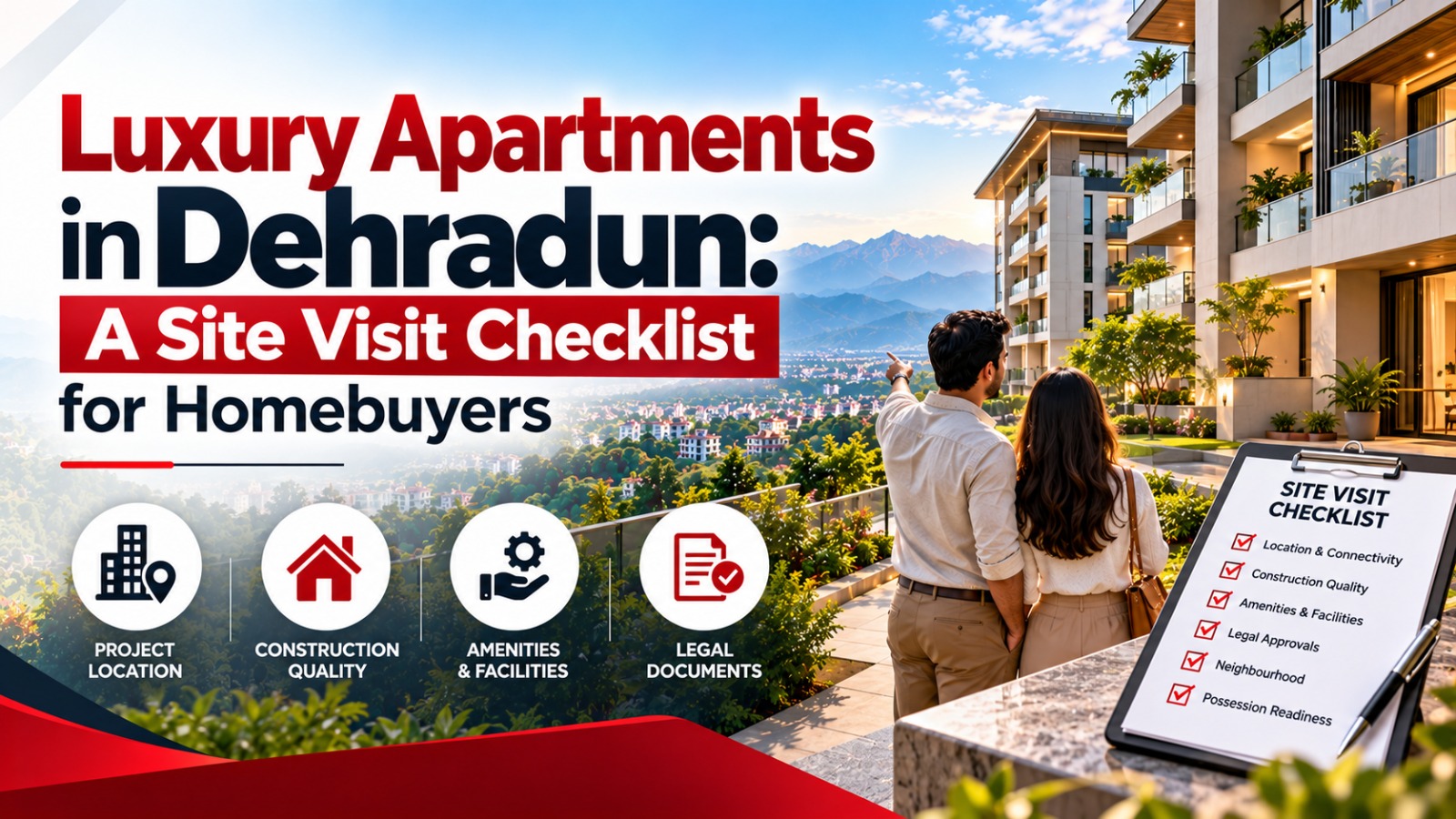
A site visit is one of the most important stages of buying your first home. Since the property is already constructed, you can inspect the actual apartment and the surrounding development.
During your visit, check:
- Walls and ceilings for cracks, dampness, or water seepage.
- Flooring, doors, windows, and installed fittings.
- Water pressure, drainage, taps, and bathroom fixtures.
- Electrical switches and sockets.
- Ventilation and natural light.
- Balcony safety and the condition of railings.
- Lifts, staircases, corridors, and parking areas.
- Access roads and the condition of common spaces.
Ask whether all advertised amenities are operational and whether any maintenance or repair work is pending. If you notice significant defects, document them and request clarification from the seller. For major concerns, consider hiring a qualified building inspector or engineer.
Step 5: Verify the Legal Documents
Before paying a substantial booking amount or signing an agreement, verify the property’s legal status. A completed building is not automatically approved for occupation, and the seller must have the legal authority to transfer ownership.
Ask for the relevant documents, which may include:
- Title and ownership documents: Confirm the seller’s ownership and right to sell.
- RERA details: Check the project’s registration and disclosures where applicable.
- Occupancy Certificate (OC): Verify the relevant approval for occupation.
- Completion Certificate (CC): Check applicable completion documentation.
- Approved building plans: Confirm that the property complies with sanctioned plans and permissions.
- Sale deed or conveyance documents: Understand how ownership will be transferred.
- Property tax and maintenance records: Check for unpaid dues.
- Encumbrance and dispute checks: Investigate mortgages, claims, or legal restrictions affecting the property.
For properties in Dehradun, verify the relevant approvals with the competent authorities and consult applicable Uttarakhand RERA records where required.
It is advisable to have an independent property lawyer review the documents before proceeding. Do not rely solely on a brochure, possession letter, or verbal assurance from the seller.
Step 6: Calculate the Complete Purchase Cost
Once you find a suitable flat, request a detailed breakdown of all costs. The advertised price may not include every expense associated with the transaction. Additional charges can affect whether the property fits your budget.
Your calculation should include:
- Final negotiated property price.
- Applicable stamp duty and registration charges.
- Legal fees and document verification.
- Brokerage, if applicable.
- Maintenance deposits and recurring charges.
- Parking or other charges, where applicable.
- Repairs, painting, and interior work.
- Home-loan processing fees and interest costs.
Confirm which charges apply to the specific transaction. Tax treatment and other costs may differ depending on the property’s status and the nature of the sale.
Before making a final commitment, compare the total cost of shortlisted properties rather than comparing only their advertised prices.
Step 7: Arrange Your Home Loan
If you are financing your first home through a loan, research lenders and understand their eligibility requirements before signing a binding agreement. Start by reviewing your income, existing debts, savings, and credit profile.
Then:
- Compare interest rates and loan repayment periods.
- Calculate a manageable monthly EMI.
- Confirm the required down payment.
- Understand processing fees and other charges.
- Check the lender’s property-document requirements.
- Keep sufficient funds for registration and moving expenses.
A lender may conduct its own legal and technical assessment, but that does not replace your independent due diligence. Do not assume that a loan will automatically be approved. Check your eligibility and understand the lender’s conditions before making commitments that depend on financing.
Step 8: Negotiate the Price and Review the Agreement
After completing your research, you can negotiate the price and terms with the seller. Your negotiation may consider the property’s condition, comparable local prices, included fittings, parking arrangements, outstanding dues, and any repairs that need to be completed.
Before signing the agreement, carefully review:
- The agreed purchase price and payment schedule.
- The property’s exact identification and specifications.
- The seller’s obligations and the proposed transfer process.
- Any outstanding dues or liabilities.
- Repair commitments, if applicable.
- Possession terms and relevant deadlines.
- Conditions relating to cancellation or default.
Ensure that verbal promises are recorded in writing. If a clause is unclear, seek legal advice rather than signing immediately.
Step 9: Complete Registration and Take Possession
Once the required checks, payments, and contractual formalities are complete, proceed with the applicable ownership-transfer and registration process. Before accepting possession, confirm that the agreed conditions have been fulfilled.
Your final checklist should include:
- Confirm that the property documents have been verified.
- Review the final payment statement.
- Confirm applicable registration and stamp duty requirements.
- Complete the sale deed and registration formalities.
- Obtain the relevant possession documents.
- Collect keys and confirm access arrangements.
- Record electricity, water, and other applicable meter readings.
- Obtain maintenance contact details and relevant property records.
- Document any remaining defects or agreed repairs.
Keep copies of the sale deed, payment receipts, approvals, agreements, and other important records in a safe place.
Step 10: Plan for Life After Moving In
Your responsibilities do not end when you receive the keys. A home also requires regular maintenance and financial planning. After moving in, organise essential documents, confirm utility connections, understand the society’s rules, and keep track of maintenance payments.
Set aside funds for repairs, appliances, insurance where appropriate, and other recurring expenses. If you are purchasing the property as an investment, maintain realistic expectations about rental income and future appreciation. Both depend on market conditions, property quality, location, and demand.
Common Mistakes First-Time Homebuyers Should Avoid
Even a completed property can present challenges if important checks are overlooked.
Avoid these common mistakes:
- Choosing a property only because of its appearance: Attractive interiors do not guarantee sound construction or legal compliance.
- Ignoring additional costs: Registration, maintenance, and repair expenses can significantly increase the total investment.
- Skipping document verification: Ownership and applicable approvals should be checked before proceeding.
- Relying entirely on the seller’s claims: Verify important information independently.
- Stretching your budget: An expensive home can become a financial burden if the EMI and ongoing costs are unaffordable.
- Ignoring the neighbourhood: Check connectivity, essential services, infrastructure, and everyday living conditions.
- Rushing the agreement: Read the terms carefully and obtain professional advice when needed.
A little extra research before purchasing can help prevent costly mistakes later.
Why Consider GTM Builders & Promoters for Your Home Search?
Finding the right home involves balancing budget, location, construction quality, and long-term requirements. Buyers researching residential property in Dehradun should compare available options carefully and verify the details of each specific project.
GTM Builders & Promoters is one starting point for exploring residential property information. Visit the official website at to learn more about the company and its property offerings.
Before making a decision, contact the relevant team to confirm current availability, property specifications, pricing, possession status, and applicable approvals.
Frequently Asked Questions
1. Is buying a ready-to-move flat a good choice for first-time buyers?
It can be a suitable option for buyers who want to inspect the completed property before investing. However, the decision should depend on affordability, location, legal status, construction quality, and long-term requirements.
2. How much money should I save before buying my first home?
The amount depends on the property price, your loan eligibility, down payment, applicable transaction charges, and other expenses. Keep additional savings for moving costs, repairs, and emergencies rather than using every available rupee for the purchase.
3. What documents should I check before buying a ready-to-move flat?
Check the ownership and title documents, applicable RERA records, approved building plans, relevant completion and occupancy approvals, sale documents, and outstanding dues. An independent property lawyer can help verify the documents required for your specific transaction.
4. Can I get a home loan for a ready-to-move flat?
Eligible buyers can generally apply for a home loan, subject to the lender’s eligibility criteria, financial assessment, property valuation, and documentation requirements.
5. What should I inspect during a property visit?
Inspect the apartment’s construction quality, flooring, walls, plumbing, electrical fittings, ventilation, water supply, parking, common areas, and available amenities. Also assess the surrounding neighbourhood and access roads.
6. Are ready-to-move flats more expensive than under-construction properties?
Not necessarily. Prices depend on location, demand, property specifications, market conditions, and the seller’s terms. Compare the complete cost and legal status of each option before deciding.
7. What is the first step when buying a home?
Start by setting a realistic budget and estimating how much you can comfortably spend on the down payment, monthly EMI, transaction charges, and ongoing maintenance. Then shortlist locations and properties that fit your needs.
Conclusion
Buying your first home becomes easier to manage when you approach the process one step at a time. Start with your budget, choose a suitable location, shortlist properties, inspect the actual home, and verify all relevant documents before committing your savings.
For buyers considering Ready to Move Flats in Dehradun, the advantage is being able to evaluate the completed property before making a final decision. Combine that opportunity with careful financial planning and independent legal checks to make a more informed purchase.