Buying a home is a major financial decision, and choosing the right property requires more than comparing prices or looking at attractive photographs. In 2026, homebuyers are paying closer attention to legal approvals, location, construction quality, possession status, and long-term investment potential before making a purchase.
For people exploring ready-to-move homes in Gurugram, ready-to-move homes can offer the advantage of inspecting the actual property before investing. Buyers can evaluate the apartment, assess the neighbourhood, and understand the available facilities without waiting for construction to finish.
However, a property that appears complete is not necessarily ready for legal occupation. Proper documentation, financial planning, and independent verification remain essential. This guide explains what buyers should know before investing in ready-to-move homes in Gurugram.
What Are Ready-to-Move Homes?
Ready-to-move homes are residential properties where construction has been completed and possession may be available, subject to the required approvals and documentation.
Unlike under-construction properties, completed homes allow buyers to inspect the actual apartment and its surroundings before finalising the purchase.
Depending on the property, buyers may consider:
- Apartments in residential societies.
- Independent builder floors.
- Premium and luxury residences.
- Ready-to-occupy homes in established neighbourhoods.
- Resale apartments offered by existing owners.
Before committing, buyers should confirm the property’s legal status, possession availability, and applicable occupancy approvals.
1. Understand the Location Before Investing
Location plays a major role in residential comfort, property demand, and potential resale value. Gurugram has a range of residential neighbourhoods, each offering different combinations of connectivity, facilities, property types, and price points.
Before choosing a home, evaluate the following factors.
- Connectivity: Check the distance to your workplace, major roads, metro stations, and public transport.
- Everyday convenience: Look for nearby hospitals, schools, supermarkets, pharmacies, and other essential services.
- Infrastructure: Assess road conditions, drainage, water supply, electricity, and the quality of the approach road.
- Neighbourhood environment: Visit the area at different times to understand traffic, noise, parking conditions, and general surroundings.
- Future suitability: Consider whether the location will continue to meet your needs if your family size, workplace, or lifestyle changes.
Do not rely exclusively on claims about future infrastructure development. Verify the status of proposed projects and assess whether the home makes sense for your needs today.
2. Verify the Property’s Legal Documents
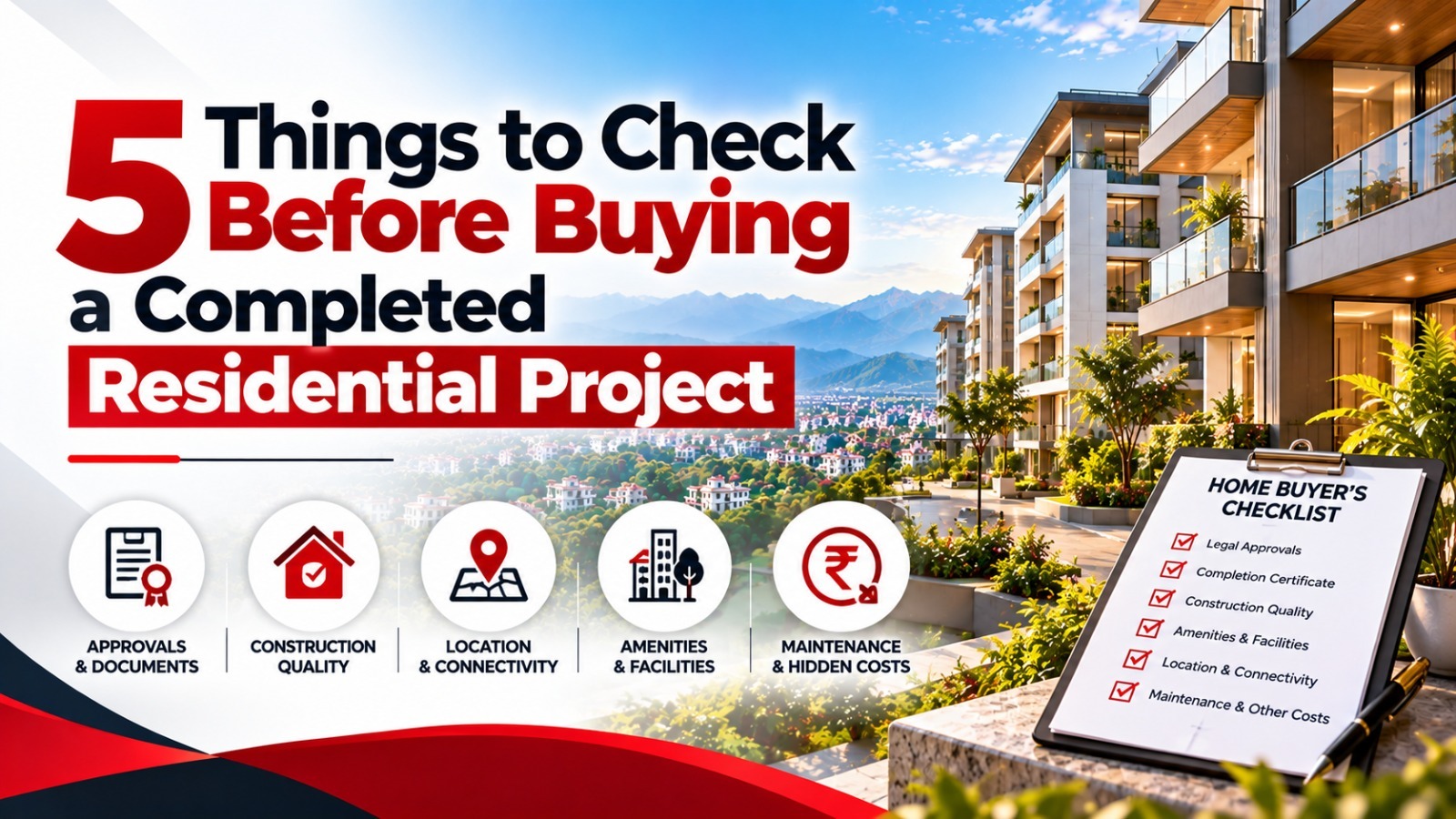
Legal due diligence is one of the most important steps when purchasing a ready-to-move home. A completed building does not automatically guarantee that every unit has the necessary approvals. Before making a payment, ask for the relevant documents and have them reviewed by an independent property lawyer.
Important checks include:
- Title documents: Verify ownership and the property’s chain of title.
- Haryana RERA details: Check the project’s registration and disclosures where applicable.
- Occupancy Certificate (OC): Confirm that the relevant building or tower has the required occupancy approval.
- Completion Certificate (CC): Verify the applicable completion documentation.
- Approved building plans: Check that the property corresponds to the sanctioned plans and permissions.
- Encumbrance and dues: Investigate mortgages, legal claims, unpaid charges, and other liabilities.
- Sale deed and conveyance documents: Confirm that the seller has the legal authority to transfer ownership.
- Property tax and maintenance records: Review applicable payment records and outstanding balances.
The documents required may differ depending on whether the property is a builder floor, a resale apartment, or a unit in a licensed residential project.
3. Inspect the Actual Construction Quality
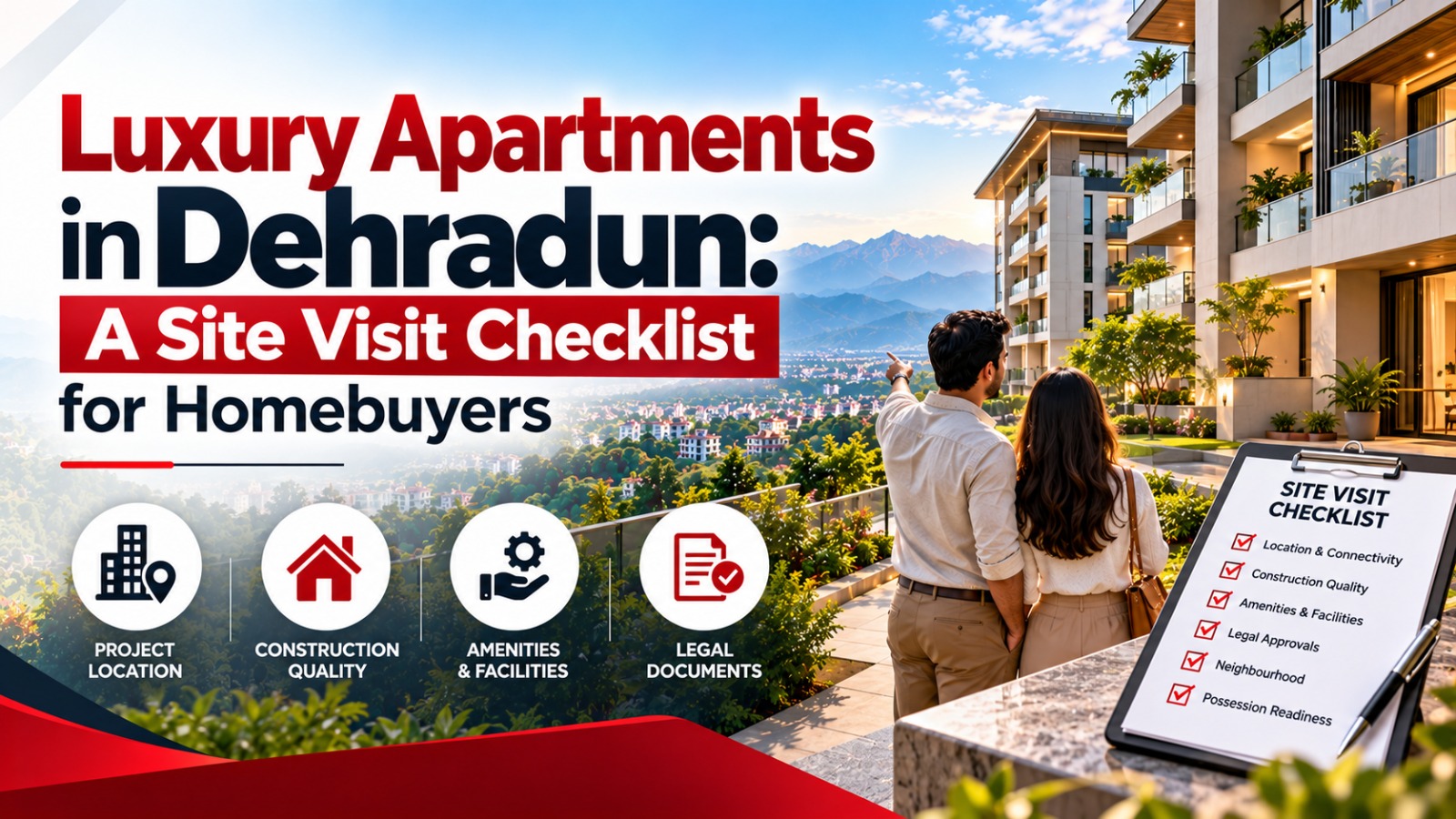
One of the biggest advantages of ready-to-move homes is the ability to inspect the finished property before purchase. Do not limit your visit to the living room, bedrooms, and kitchen. Examine the overall condition of the apartment and the building.
Use this checklist:
- Check walls and ceilings for cracks, dampness, and water seepage.
- Inspect flooring, doors, windows, locks, and fittings.
- Test taps, drainage, toilets, and water pressure.
- Check electrical switches, sockets, and visible wiring.
- Assess ventilation and natural light.
- Examine balconies, railings, and visible structural concerns.
- Inspect lifts, staircases, corridors, and parking areas.
- Ask about water sources, power backup, waste management, and maintenance arrangements.
If you identify serious defects or are unsure about the property’s condition, consider hiring a qualified building inspector or engineer. Record any agreed repairs in writing before completing the transaction.
4. Calculate the Total Cost of Buying a Home
The advertised price is only one part of the overall investment. Buyers should calculate the complete acquisition cost before deciding whether a property fits their budget.
Potential expenses include:
- Property purchase price.
- Stamp duty and registration charges.
- Brokerage fees, if applicable.
- Legal verification and inspection costs.
- Maintenance deposits and society charges.
- Parking charges, where applicable.
- Interior work, furniture, and appliances.
- Property taxes and other applicable dues.
- Home-loan processing fees and interest.
Tax treatment can differ depending on the type of transaction and whether the property is completed or under construction. Confirm the applicable GST position and other charges with a qualified professional rather than assuming the same rules apply to every property.
Maintain a financial buffer for unexpected repairs and moving expenses. Avoid committing all your available savings to the purchase price alone.
5. Compare Ready-to-Move and Under-Construction Properties
Both property types can suit different buyers. The right choice depends on your timeline, financial position, risk tolerance, and preferred location.
| Factor | Ready-to-move home | Under-construction home |
| Possession | May be available sooner, subject to verification | Requires waiting for completion and handover |
| Inspection | Actual property can be examined | Buyers may initially rely on plans and specifications |
| Construction risk | Lower uncertainty about unfinished work, if verified | Greater exposure to construction and delivery delays |
| Budgeting | Existing condition and immediate repairs can be assessed | Future specifications and expenses may change |
| Customisation | Usually more limited | Some options may be available, depending on the project |
| Investment timing | May suit buyers seeking earlier use or rental preparation | Depends on the construction schedule and delivery |
Ready-to-move properties are not always more expensive, and under-construction properties are not automatically a better investment. Compare the total cost, legal status, location, and expected holding period before choosing.
6. Evaluate Rental Demand and Investment Potential
Some buyers purchase residential property for personal use, while others want to generate rental income or build long-term wealth.
If you are considering an investment property in Gurugram, evaluate its potential using realistic assumptions.
- Rental demand: Research comparable properties in the same locality and building. Consider the likely tenant profile and typical vacancy periods.
- Rental yield: Estimate annual rent as a percentage of the total property investment, then account for maintenance, taxes, repairs, and vacancies.
- Resale prospects: Consider location, property condition, building maintenance, market demand, and the ease of transferring ownership.
- Holding period: Decide whether you can hold the property through periods of weaker demand without relying on immediate resale.
- Liquidity: Consider how easily the property might be sold if your financial circumstances change.
Do not base a purchase solely on projected appreciation or a broker’s promised rental return. Property values and rental income can fluctuate, and neither is guaranteed.
7. Check the Builder or Seller’s Track Record
The credibility of the builder or seller can affect the quality of documentation, handover experience, and resolution of defects. Before proceeding, research the developer’s previous projects, construction standards, customer feedback, and history of delivering promised facilities.
For resale properties, also investigate the current owner’s ownership documents and any outstanding loan or society liabilities.
Ask specific questions about:
- Whether all promised amenities are operational.
- Who manages maintenance and repairs.
- Whether there are unresolved disputes or complaints.
- Whether the property has outstanding payments.
- Whether any advertised feature is excluded from the sale.
- Whether warranties or defect-related commitments remain valid.
Get important commitments in writing. Verbal assurances should not replace contractual terms or official documents.
8. Review Amenities and Monthly Maintenance
Amenities can improve everyday convenience, but they can also contribute to ongoing maintenance costs. Depending on the development, facilities may include security arrangements, parking, lifts, landscaped areas, community spaces, fitness facilities, and power backup.
During your visit, confirm which facilities are actually available and operational. Also ask about monthly maintenance charges, sinking funds or reserve contributions where applicable, rules for using common areas, parking allocation, and any planned major repairs.
A home with extensive amenities may not be the best choice if the ongoing costs place unnecessary pressure on your budget.
9. Plan Your Home Loan Carefully
A ready-to-move home may help buyers plan their move sooner, but financing still requires careful assessment.
Before applying for a home loan:
- Review your credit profile and existing financial obligations.
- Calculate an affordable monthly EMI.
- Compare interest rates, processing charges, and repayment terms.
- Obtain clarity on the required down payment.
- Ensure the lender can complete its legal and technical assessment of the property.
- Keep funds available for registration, moving, repairs, and emergencies.
A lender’s approval does not replace your own legal checks. Obtain independent advice if there are concerns about ownership, approvals, or the property’s condition.
Why a Well-Researched Home Purchase Matters
Gurugram offers a range of residential options, but choosing the right property requires a clear understanding of your priorities. A home that suits your family, budget, and daily routine may be a better long-term choice than one selected solely because of its appearance or investment promises.
For buyers exploring property opportunities through GTM Builders & Promoters, visit the official website to learn more about the company and its available property information. Confirm the location, current availability, specifications, pricing, and approvals of any specific property directly with the relevant team before making a decision.
Frequently Asked Questions
1. Are ready-to-move homes a good investment in Gurugram?
They may suit buyers who want to inspect the completed property before purchasing or who wish to use it sooner. Investment performance depends on the purchase price, location, rental demand, maintenance costs, legal status, and wider market conditions.
2. Which documents should I check before buying a ready-to-move apartment?
Review the title documents, sale deed or conveyance documents, relevant RERA disclosures, approved plans, applicable completion and occupancy certificates, and records of outstanding dues. An independent property lawyer can confirm the documents needed for your specific transaction.
3. Is an Occupancy Certificate important when buying a ready-to-move home?
Yes. Buyers should verify the applicable Occupancy Certificate and confirm that it covers the specific building or tower they intend to purchase. A possession letter or a claim that construction is complete should not be treated as a substitute for the required approval.
4. How do I estimate rental income from a property in Gurugram?
Compare rents for similar properties in the same locality, estimate realistic occupancy, and account for maintenance, taxes, repairs, and periods without tenants. Calculate returns using the total acquisition cost rather than the purchase price alone.
5. Should I choose a ready-to-move home or an under-construction property?
Choose based on your preferred timeline, budget, risk tolerance, and need to inspect the completed home. Compare both options on total cost, legal approvals, location, payment terms, and potential long-term suitability.
6. What hidden costs should I consider when buying a home?
Potential costs include registration and stamp duty, legal fees, brokerage, maintenance deposits, parking, interiors, repairs, home-loan charges, and outstanding dues. Confirm which expenses apply to the specific property before signing.
7. How can I check a residential project’s RERA details in Haryana?
Visit the official Haryana RERA website and search for the project or promoter. Review the available registration information, disclosures, and project status, and seek professional assistance if the documents or details are unclear.
Conclusion
Ready-to-move homes can offer buyers greater clarity about the property, its surroundings, and the likely move-in process. However, a completed building alone does not guarantee a secure investment.
If you are exploring ready-to-move homes in Gurugram, compare locations, inspect the actual home, calculate the full cost, verify legal approvals, and research the builder or seller before committing your money.
A careful buying process can help you select a property that fits both your immediate needs and your long-term financial plans.