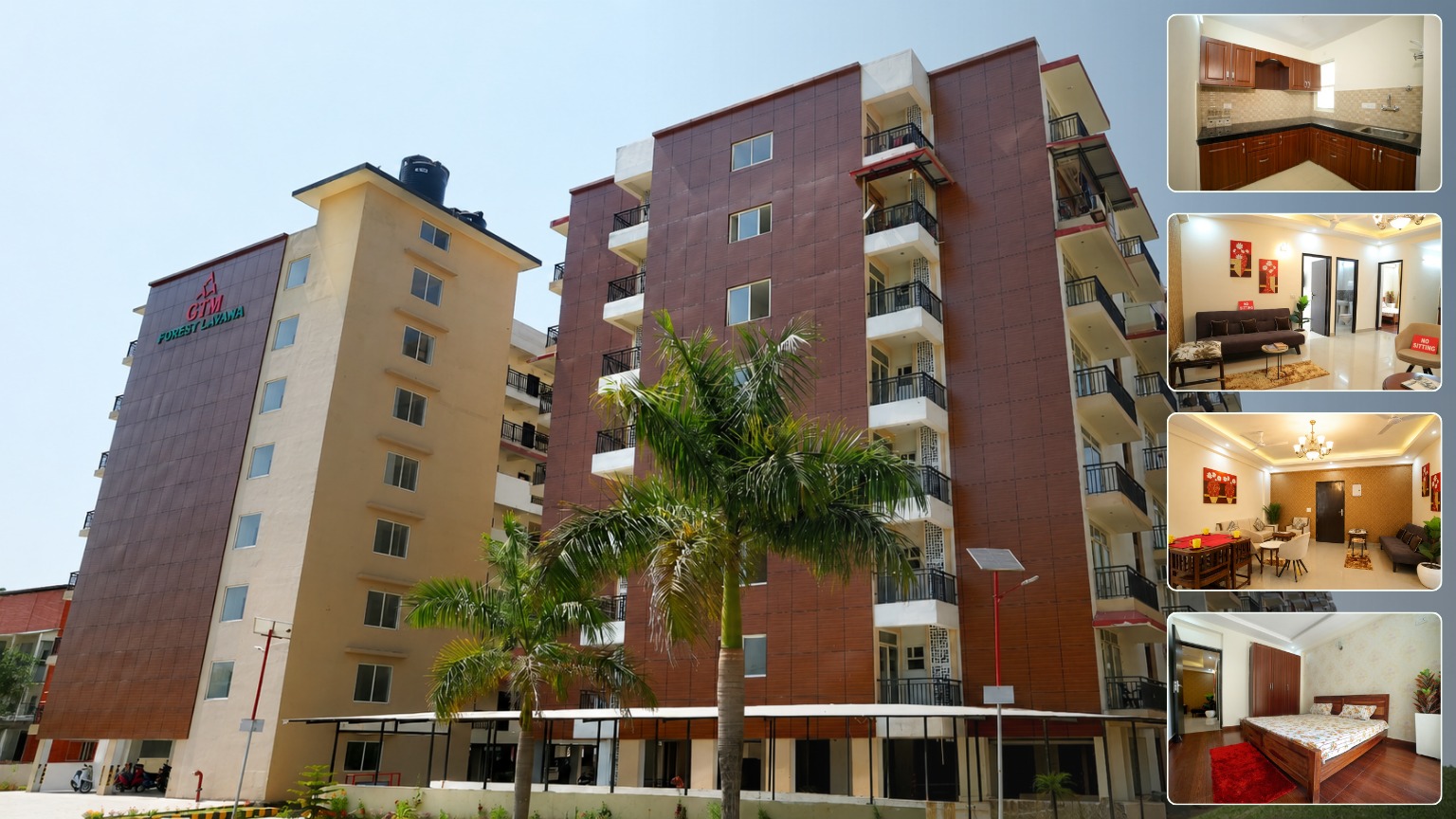

Dehradun has quickly become one of India’s most preferred destinations for a peaceful home and a smart investment. Clean air, green surroundings, improving connectivity, and a relaxed lifestyle make it attractive for end-users, investors, and NRIs alike — with demand rising for everything from affordable apartments to luxury villas and premium residential societies.
But with rising demand comes a crowded market — and not all projects are created equal. In our 22+ years of developing real estate across Dehradun, Delhi NCR, and other cities, we’ve seen buyers make the same set of mistakes again and again. Most of these are completely avoidable with the right checks and a little patience.
Here Are 9 Common Mistakes to Avoid When Buying Property in Dehradun
Buying property is a major financial decision, so it is important to check every detail before moving forward. Whether you are buying a home to live in, planning to rent it out, or investing for the future, avoiding these common mistakes can help you make a more informed and confident property decision in Dehradun.
1. Skipping Proper Legal Due Diligence
Relying Only on the Latest Property Documents
Many buyers rely only on the latest sale deed, a broker’s assurance, or a set of photocopies. They don’t dig deeper into the property’s history.
Why it’s risky: In and around Dehradun, several properties have disputed titles, incomplete mutation entries, or old family partitions that were never legally recorded. Without a proper check, you could end up with a property that later becomes part of a court case or inheritance dispute.
What to do instead:
- Insist on a 30-year title search at the Sub-Registrar Office to trace the full chain of ownership.
- Verify Khasra and Khatauni records on the state land records portal (Bhulekh) to confirm current ownership, area, and land type.
- Match the names on the Khatauni with the seller’s ID and the sale deed, line by line.
At GTM, every project goes through strict legal checks before launch so that buyers don’t have to worry about hidden title issues.
2. Ignoring Land Classification and Use Permissions
Assuming Every “Residential” Plot Is Approved for Construction
Assuming that any plot marketed as “residential” is actually approved for residential construction.
Why it’s risky: Large parts of Dehradun and its periphery are still classified as agricultural, horticultural, or forest land. Building a house on such land without proper conversion can lead to demolition notices, loan rejections, and inability to get occupancy certificates.
What to do instead:
- Confirm the land classification (residential/agricultural/horticultural) on Bhulekh.
- Ensure there is a valid land-use conversion approval (often referred to as Section 143) and a Land Use Certificate where applicable.
- Be extra cautious with reserved land categories that need special permission before transfer.
- For properties near forest areas, check if a Forest Department NOC is required.
This step is critical for all buyers — end-users, investors, and NRIs — evaluating residential property in Dehradun.
3. Overlooking MDDA and Building Bylaw Compliance
Buying Property Without Checking MDDA Approval
Buying a flat, villa, or plotted development without checking if the project is approved by the Mussoorie Dehradun Development Authority (MDDA).
Why it’s risky: Unapproved constructions, FAR violations, extra floors, and illegal commercial use in residential zones are common in Dehradun. Such properties face demolition or sealing drives, an inability to get Completion or Occupancy Certificates, and real problems at resale or home-loan stage.
What to do instead:
- Verify the MDDA-sanctioned building plan, including FAR, setbacks, height restrictions, and approved usage.
- For ready-to-move-in projects in Dehradun, insist on the Completion Certificate (CC) and Occupancy Certificate (OC).
- Check if there are any notices for regularisation or penalties due to deviations.
For end-users, this is about safety and security of possession. For investors, it directly affects resale value and loan eligibility.
4. Not Checking Encumbrances, Mortgages, and Litigation
Relying Only on the Seller’s Assurance About Property Dues
Taking the seller’s word that the property is “free from all dues and legal cases” without independently verifying the relevant records and documents
Why it’s risky: Many properties are mortgaged to banks or NBFCs, attached in court cases, or subject to tax and municipal dues that can become the new owner’s liability.
What to do instead:
- Obtain an Encumbrance Certificate (EC) for at least 13–30 years from the Sub-Registrar Office.
- Confirm whether the property is mortgaged and, if yes, ensure the loan is closed and the lien removed before registration.
- Check for any pending civil/criminal cases, MDDA notices, or Forest Department actions related to the property.
A clean EC and title search are as important for a small plot as for a luxury villa in Dehradun.
5. Paying Token/Advance Before Verifying Documents
Paying a Large Advance Without a Final Agreement
Paying a large token amount or advance based only on verbal promises or a draft agreement, without first confirming the final terms and conditions in writing.
Why it’s risky: Once money changes hands, your negotiating power drops sharply. In many cases, buyers discover document issues only after paying a significant advance, and then struggle to get refunds.
What to do instead:
- Do a preliminary document check (title, Khasra, Khatauni, tax receipts) before paying any token.
- Keep the token amount small and refundable, with clear written conditions — for example, refund if title is not clear.
- Avoid large cash transactions; maintain a proper payment trail for legal and tax safety.
NRIs and outstation buyers should be especially careful, as they often rely on relatives or brokers to handle initial formalities.
6. Under-Reporting Sale Value to Save Stamp Duty
Showing a Lower Property Value in the Registry
Showing a lower sale value in the registry than the actual transaction price to save on stamp duty and registration charges.
Why it’s risky:
- The deed can be impounded by the registration department for undervaluation.
- You may face penalties and additional duty later.
- Future buyers and banks will consider the registered value, affecting loan eligibility and capital gains calculation.
What to do instead:
- Declare the transaction value at or above the official Circle Rate for that area.
- Budget for the correct stamp duty and registration charges instead of trying to save illegally.
- Ensure TDS compliance if the property value exceeds ₹50 lakh.
This mistake looks like a short-term saving but often creates long-term legal and financial trouble for all types of buyers.
7. Ignoring Essential NOCs: Water, Electricity, Forest, Structural Stability
Registering the Property Without Checking Required NOCs
Registering the property without confirming that all necessary No Objection Certificates (NOCs) and approvals are in place.
Why it’s risky: In Dehradun’s hilly terrain and eco-sensitive zones, missing NOCs can lead to no legal water or electricity connection, demolition or sealing of the structure, or loan rejection and resale issues.
What to do instead:
- Obtain a Water NOC from Uttarakhand Jal Sansthan and an Electricity NOC from UPCL before registration.
- For properties near forest areas or the Mussoorie periphery, verify the Forest Department NOC.
- For hill properties, insist on a Structural Stability Certificate (pre- and post-construction) from an empanelled engineer.
End-users feel this directly in daily life — no water or power, and safety risks. Investors face it as lower demand and a harder resale.
8. Choosing the Wrong Location or Developer Without Research
Choosing a Property Based Only on Price and Promises
Making a property decision based only on the price, attractive brochures, or claims about future growth without properly evaluating the property and its location.
Why it’s risky: Some areas in Dehradun face water scarcity, poor power supply, landslide or flood risk, and weak social infrastructure. At the same time, not all developers have the same track record for quality, timelines, and legal compliance.
What to do instead:
- Visit the site at different times of the day to check traffic, noise, water, and power conditions.
- Research the developer’s track record — completed projects, delivery timelines, and customer feedback. This is where comparing established real estate builders and developers in Dehradun against newer, unproven names really pays off.
- Verify RERA registration of the project on the Uttarakhand RERA portal.
- Study upcoming infrastructure plans (roads, bypasses, schools, hospitals) and any known environmental risks.
For end-users, location determines quality of life. For investors, it determines rental yield and appreciation.
9. Signing the Builder–Buyer Agreement Without Understanding Key Clauses
Treating the property agreement as a formality and signing it without carefully reading the terms, understanding the conditions, or seeking legal advice when needed.
Why it’s risky: Poorly drafted agreements often leave possession timelines vague, define “area” in a way that favours the builder, impose heavy penalties on buyers but light ones on builders, and make dispute resolution difficult and expensive.
What to do instead:
- Verify the project’s RERA number on the Uttarakhand RERA portal before signing anything.
- Carefully review key clauses: possession timeline and delay penalties, area definitions (carpet vs. super area), maintenance charges, and the dispute resolution mechanism.
- If taking a home loan, insist on a tripartite agreement between buyer, builder, and bank.
NRIs and out-of-town buyers are particularly exposed here, as they may not be able to easily pursue legal action later.
Conclusion
Dehradun offers beautiful landscapes, a pleasant climate, and strong investment potential — but only if you buy the right property, the right way. The 9 mistakes above are common across end-users, investors, and NRIs, and most of them are entirely avoidable with proper due diligence.
At GTM, we believe that a transparent, well-documented process is the foundation of trust. Our focus on legal clarity, approved plans, and quality construction is designed to give buyers peace of mind, not just another address.
Before you commit, take your time, do your checks, and if needed, consult a local property lawyer. A little extra effort today can save you from lakhs in losses and years of litigation tomorrow.